
The Flower Moon 2026 India has officially arrived, bringing an epic celestial display to our night skies. Reaching peak illumination tonight, Friday, May 1st at 10:53 PM IST, this specific full moon is officially classified as a “Micromoon” because it occurs when the Moon is near its farthest point from Earth.
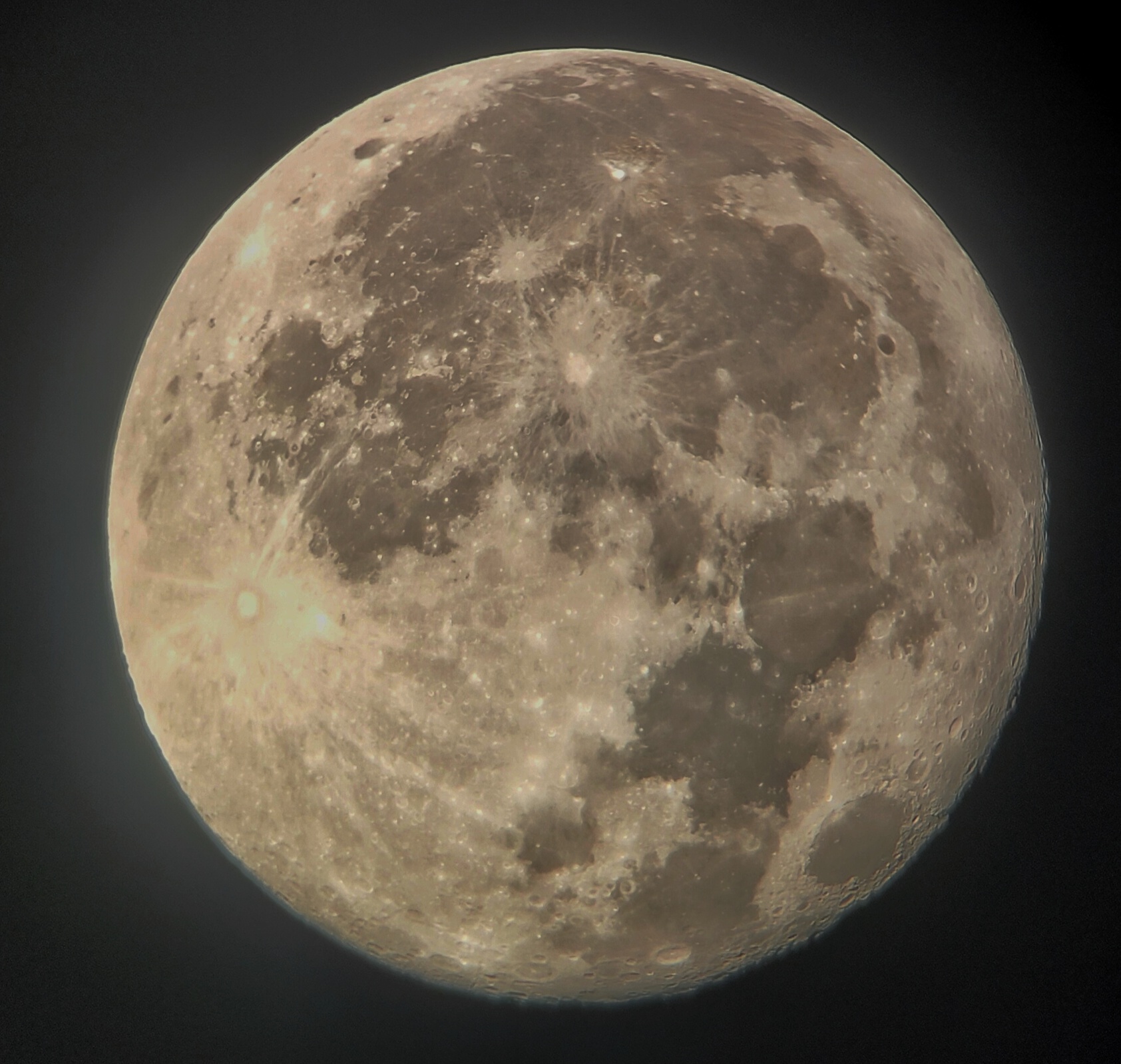
If you step outside tonight, the sky will be dominated by the first of two full moons happening this May!
At Astrophiles, we love tracking lunar phases because the Moon is the most accessible celestial object for beginners. Whether you are observing from a dark village or the bright rooftops of Mumbai, the full moon always puts on a spectacular show. Here is exactly what you need to know about tracking the Flower Moon 2026 India and how to capture it on camera.
Quick Facts: The May 1st Full Moon
- Peak Time in India: May 1, 2026, at 10:53 PM IST
- Distance from Earth: Near Apogee (Farthest point in its orbit)
- Viewing Requirement: Visible to the naked eye (No telescope strictly required)
Why Is It Called the Flower Moon?
The names we use for full moons generally originate from ancient cultures and traditions, which tracked the seasons by lunar cycles. The May full moon is universally known as the “Flower Moon” because this is the time of year when spring flowers bloom in abundance.
However, astronomically speaking, the May 1st moon is special for a different reason: it is a Micromoon.
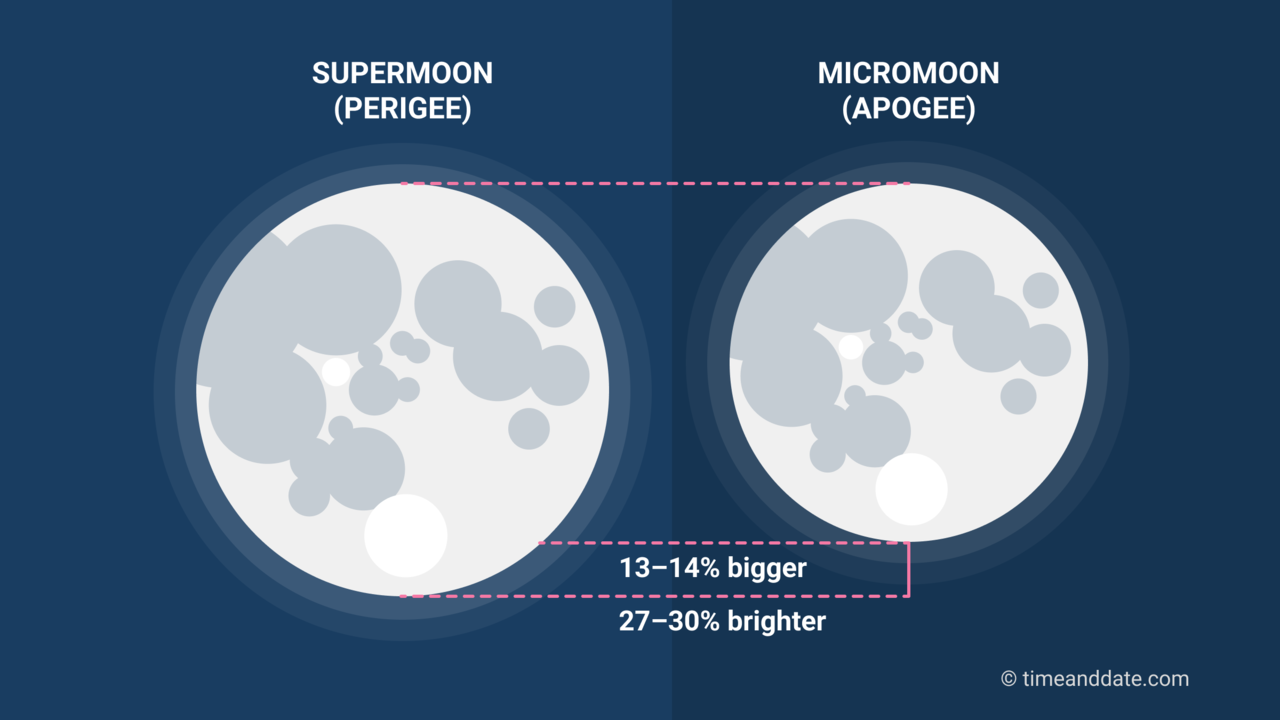
The Moon orbits the Earth in an elliptical (oval) shape rather than a perfect circle. When a full moon happens while the Moon is at perigee (closest to Earth), we call it a Supermoon. But right now, the Moon is near apogee—its farthest point from us. When observing the Flower Moon 2026 India, you might notice it appears slightly smaller and dimmer in the night sky than a standard full moon.
How to Photograph the Flower Moon 2026 India
You do not need to travel to a dark-sky location to enjoy this event. The Moon is bright enough to cut right through urban light pollution.
If you want to take a great picture using your smartphone, do not just zoom in! Digital zoom will ruin the image quality, leaving you with a blurry white circle. Instead, try to frame the Moon next to a foreground object, like a building or a tree, to give the photo a sense of scale. You can also track the exact moonrise times for your local city using Time and Date’s official Lunar calendar
Best Smartphone Camera Settings for Lunar Photography
To get the best shot of the Flower Moon 2026 India, open your smartphone camera’s “Pro” or “Manual” mode and adjust these settings:
- Lower the ISO: Set your ISO to 100 or 200. The Moon reflects intense sunlight, so a high ISO will just create a glowing white blob.
- Adjust the Shutter Speed: Set it to roughly 1/200th of a second. The Earth is spinning faster than you think, and a fast shutter speed prevents motion blur.
- Tap to Focus: Tap exactly where the Moon is on your screen and lock the focus before snapping the picture.
Want to capture breathtaking craters on your phone? You need a smartphone telescope adapter! We highly recommend the Celestron NexYZ Universal Smartphone Adapter. It connects your phone directly to your binoculars or telescope eyepiece, turning your mobile device into an astrophotography powerhouse. Check the current price on Amazon here!
Get Ready for a Double-Moon Month!
Because the lunar cycle takes about 29.5 days, and May has 31 days, tonight’s full moon is just the beginning. We will be treated to a rare second full moon on May 31st, making it a “Blue Moon”!
If you enjoyed looking up during the recent planetary alignments we covered in our April Stargazing Guide, you will absolutely love the astronomy events we have planned for this month.
Upgrade Your School’s Science Program
Does your school have the equipment needed to let students safely observe the Moon’s craters?
Contact Astrophiles today to consult on our custom School Space Lab Setup services. We will help you source the perfect lunar telescopes and design curriculum to get your students excited about hands-on physics and astronomy!