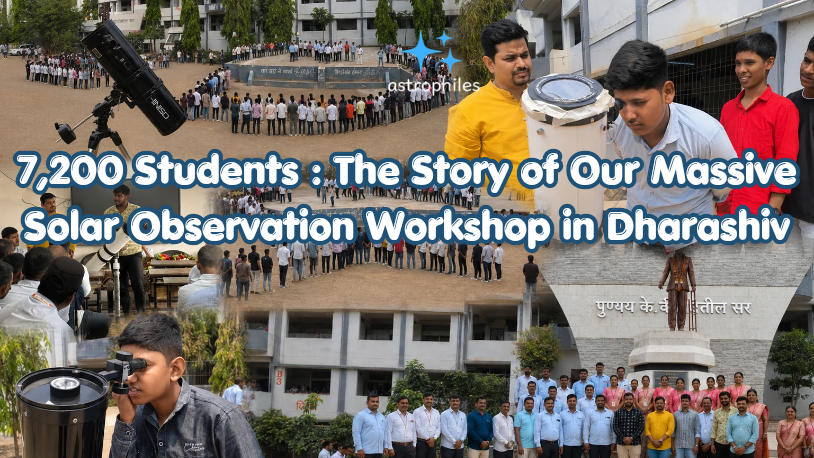
In April 2026, we conducted a massive Surya Darshan (solar observation) workshop in Dharashiv, safely guiding 7,200 students through professional telescopes in a single 10-hour marathon. Held at Shripatrao Bhosale High School, this event proved that high-level experiential physics belongs in every schoolyard, regardless of geography.
By 6:30 AM, the heat was already rising off the schoolyard pavement, and the line of students seemed to stretch endlessly toward the horizon.
Our team had traveled over 1,000 kilometers across Maharashtra for this exact moment. While our founders Aman Singh FRAS, Meet Panchal, and Abhishek Panchal had conducted extensive astronomy outreach before, Shripatrao Bhosale High School in Dharashiv is one of the largest Marathi-medium institutions in the country. We weren’t just hosting a workshop; we were attempting to manage a small city of curious minds.
Here is the story of our record-breaking solar observation workshop in Dharashiv, and what happens when 7,200 children are introduced to the violent, beautiful physics of our nearest star.
The Math of Our Solar Observation Workshop in Dharashiv: 7200 students, 10 Hours
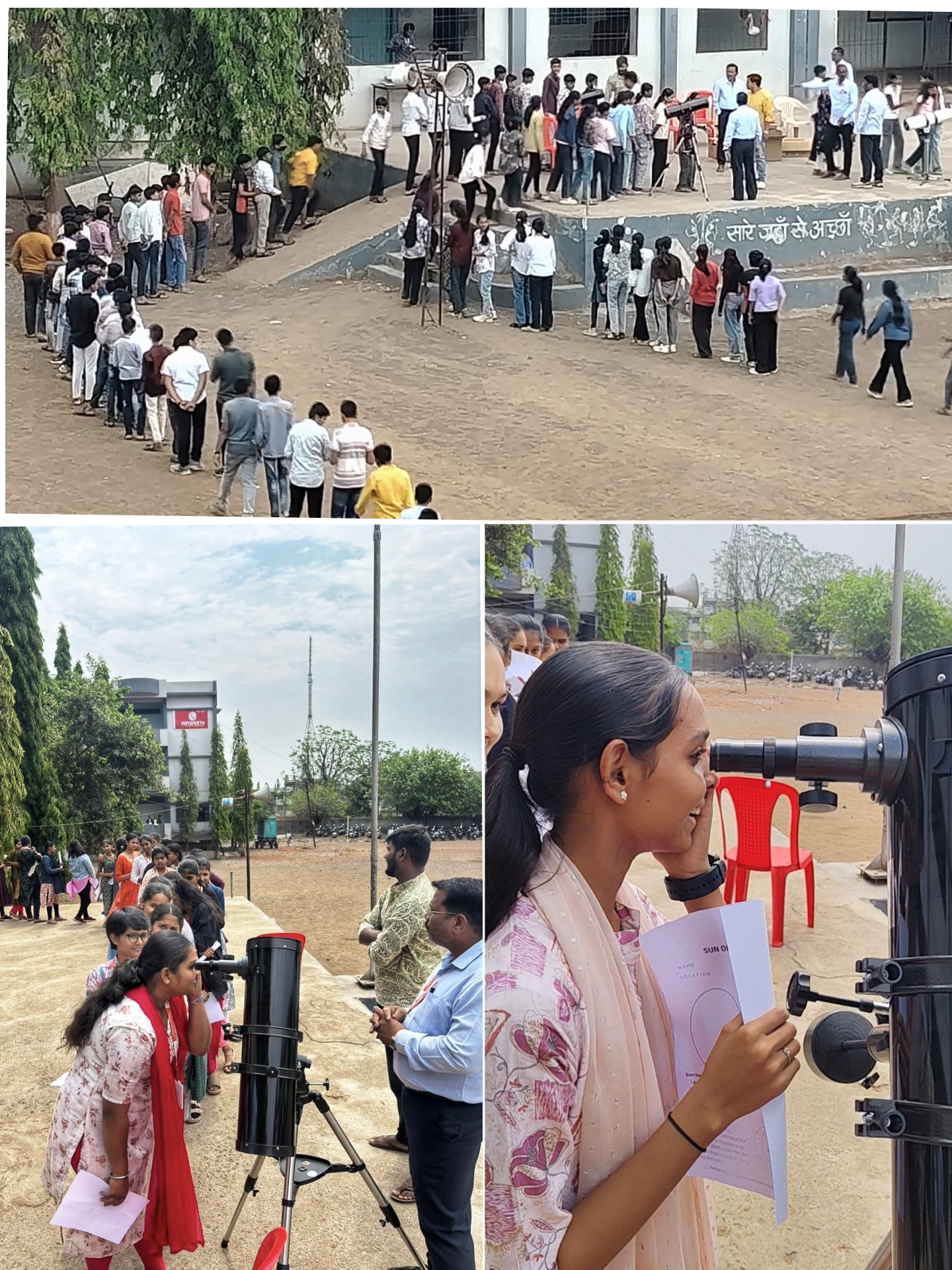
Managing a crowd of 7,200 students isn’t just an educational challenge; it is a test of sheer logistics and optical endurance.
From 7:00 AM to 5:30 PM, we ran a continuous “Surya Darshan” (daylight solar observation) marathon. We deployed three professional telescopes, each heavily armored with certified optical-density solar filters to safely block 99.999% of the Sun’s blistering radiation.
We had mere seconds with each student at the eyepiece. But in science communication, seconds are all you need to ignite a spark.
“Managing 7,200 students with our telescopes was a major logistical challenge,” noted Co-founder Meet Panchal, wiping sweat from his brow mid-afternoon. “But by using structured activities like solar observation sheets while they waited in line, we ensured every student wasn’t just waiting—they were becoming young scientists for the day.”
To make this happen, we expanded the workshop beyond the telescope line. We utilized the school’s classrooms as active learning hubs to manage the massive flow of students. Inside the classrooms, we guided the students through the construction of hands-on sundials. By building these models right at their desks, the students learned how the Earth’s rotation dictates the passage of time—turning an abstract planetary concept into something they could construct themselves before even stepping outside.
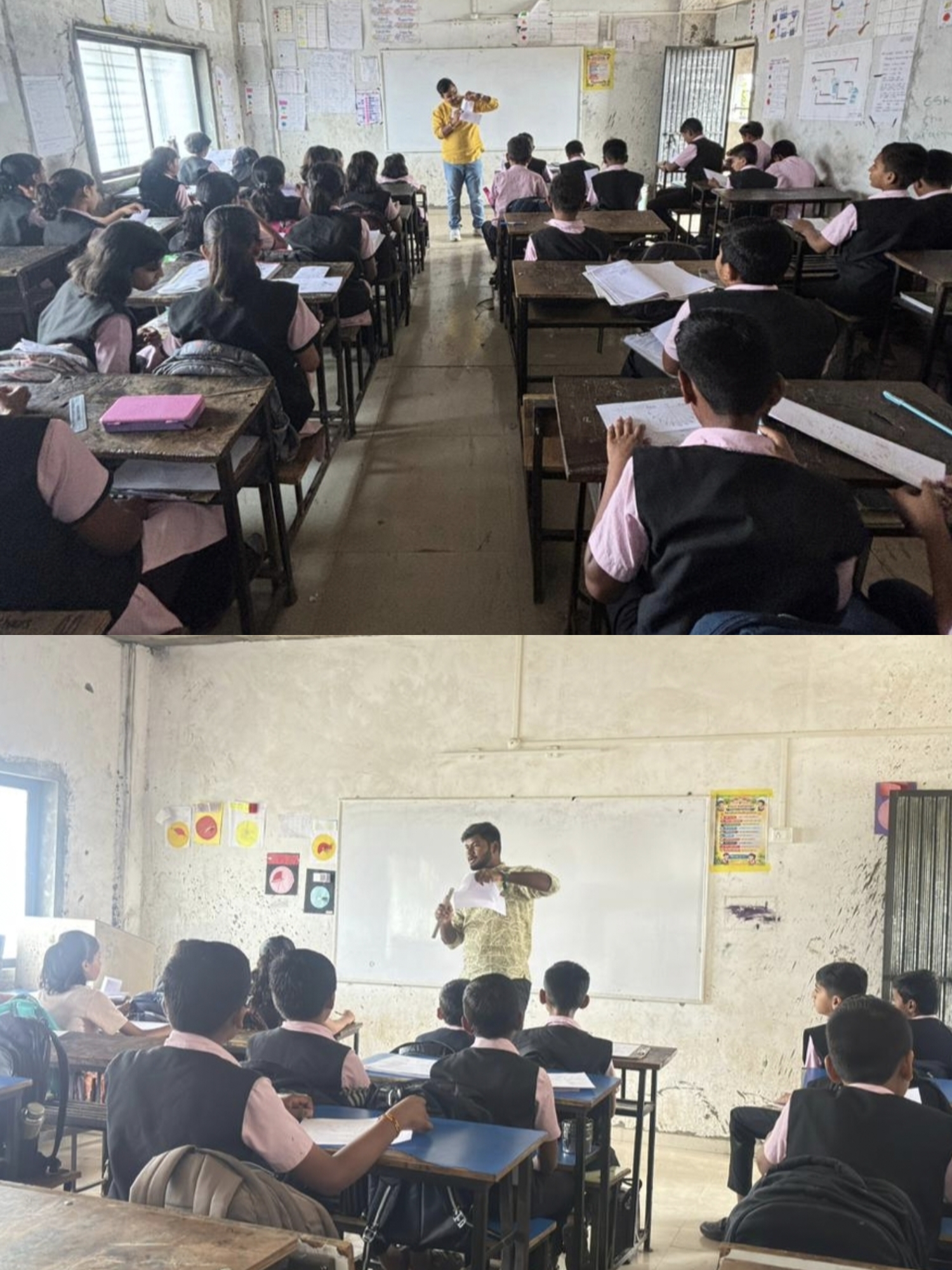
Coupled with the indoor sundial activity, every student was armed with a custom Solar Observation Sheet when it was their turn to head out to the field. Rather than just taking a quick peek through the telescope and walking away, they were tasked with sketching the exact positions of the sunspots they observed and recording the atmospheric conditions. They were actively capturing and logging real astronomical data.
The “Earth-Sized” Aha Moment
When a 6th grader looks through a telescope for the first time, they don’t immediately understand what they are seeing. They usually see a bright orange disc with a few tiny, black smudges on it.
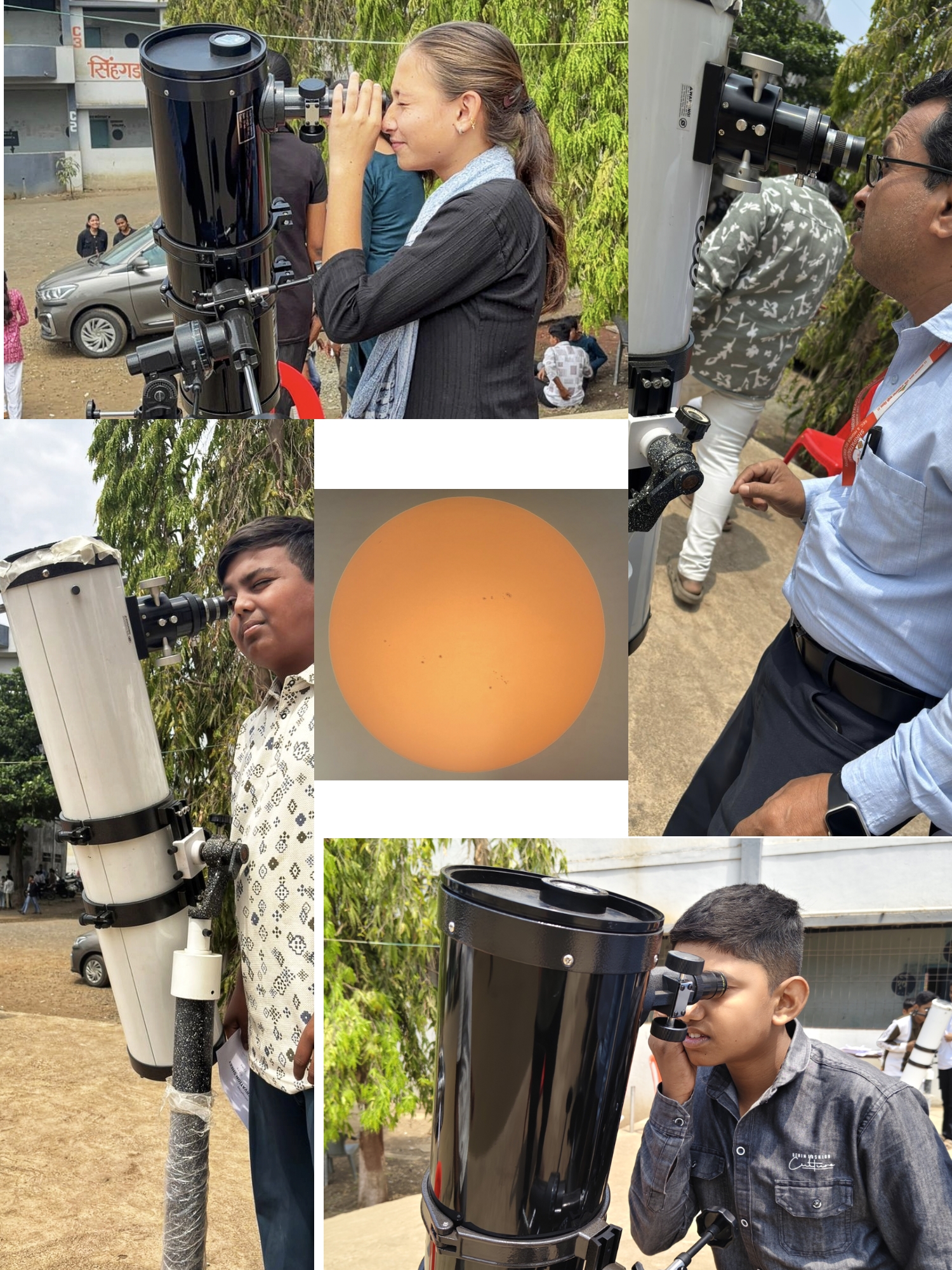
That is when the teaching begins.
As they peered into the eyepiece, we explained the physics of those black smudges: sunspots. We explained that these regions appear dark only because they are slightly cooler than the surrounding plasma, suppressed by incredibly powerful, twisting magnetic fields.
Then came the moment that changed everything: We told them that the “tiny” black smudge they were looking at was actually larger than the entire planet Earth.
Watching a student pull their eye away from the lens, look up at the sky, and silently process the sheer, terrifying scale of the universe is a moment we will never forget.
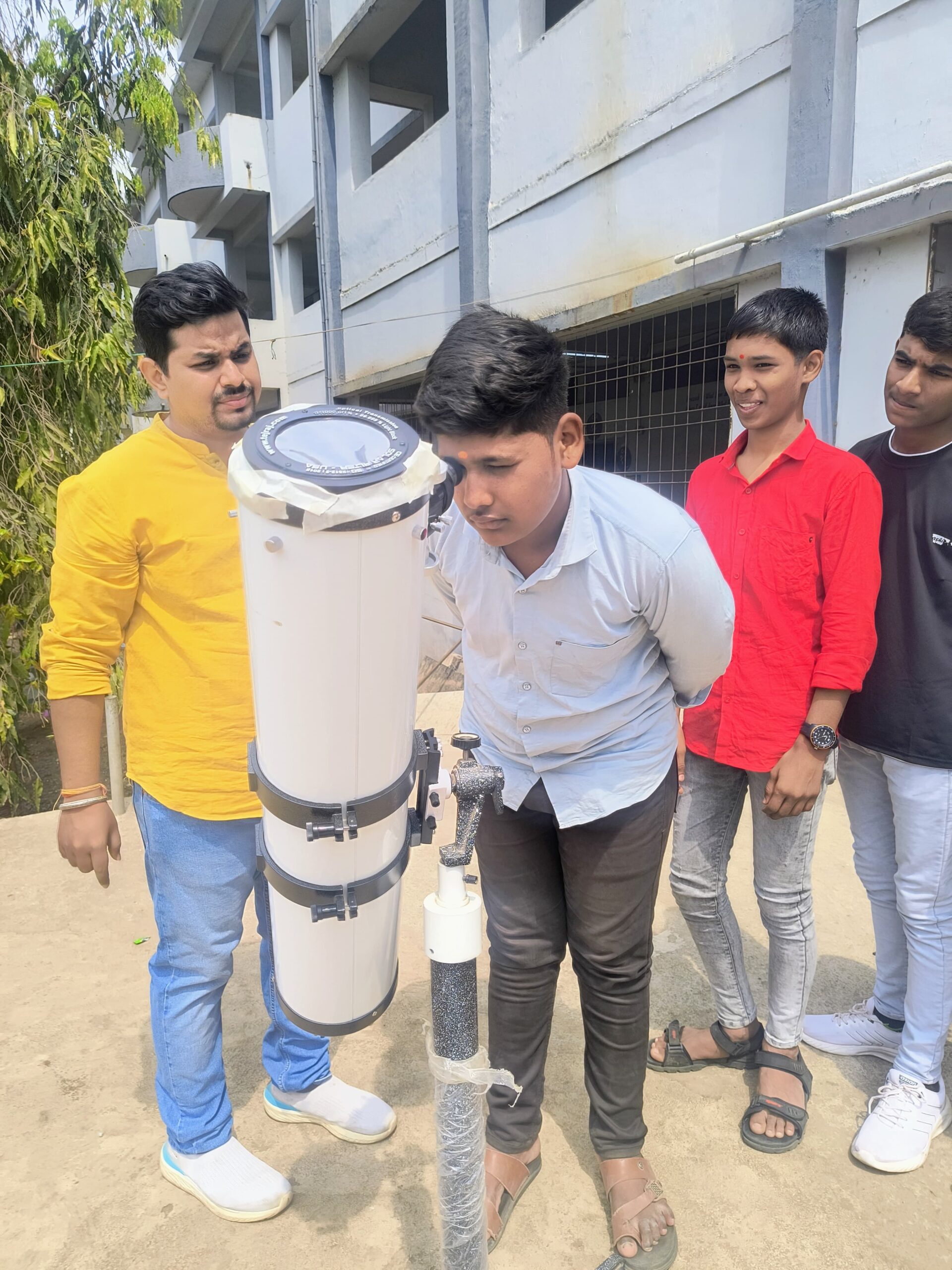
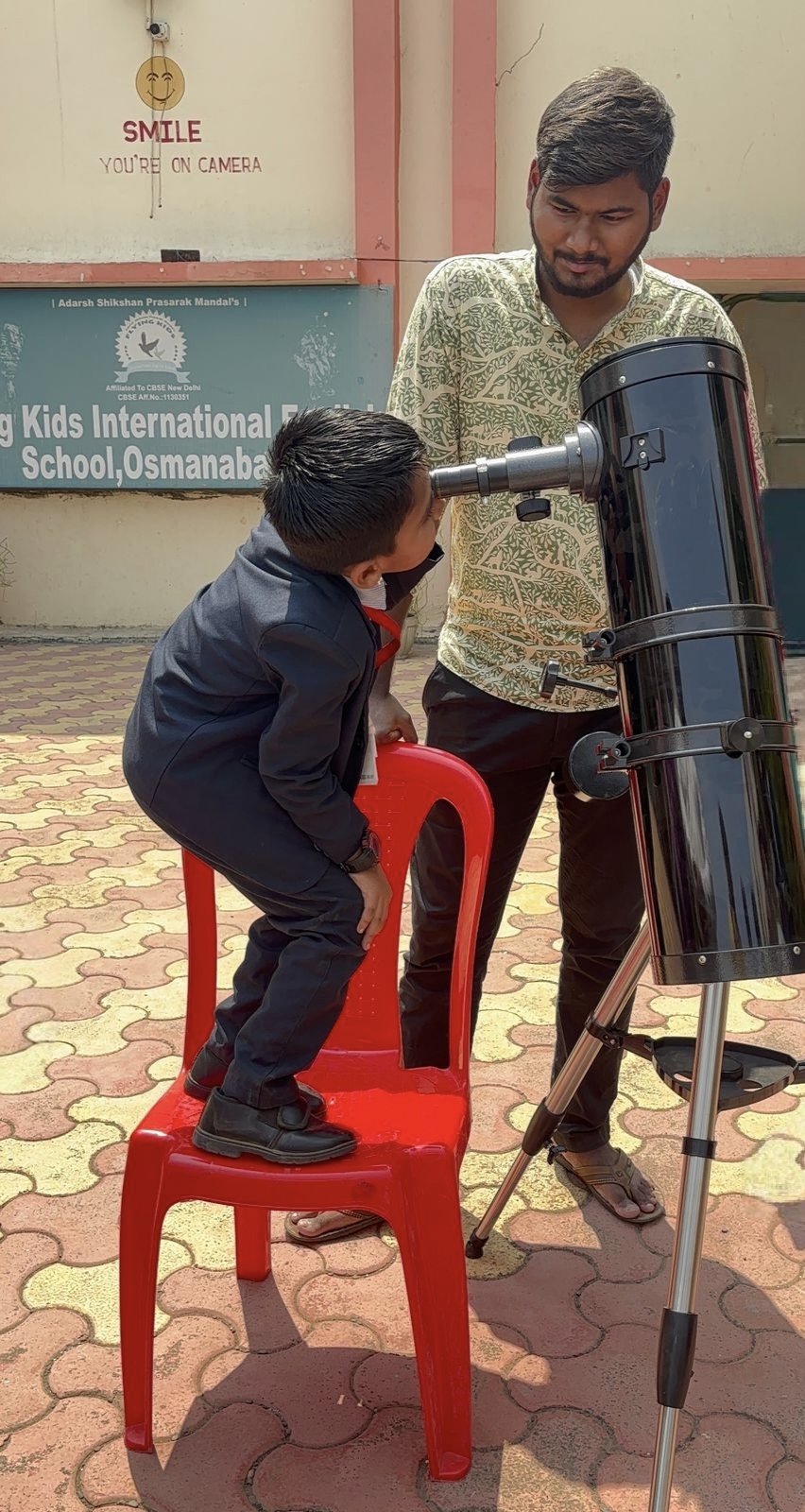
Following the main event, we extended this experience to 260 more students at Flying Kids International School, bringing our total to over 7,460 young minds.
Passing the Torch: The 100 Teachers
An outreach event is a failure if the science leaves the moment our vehicles pull out of the school gates. Sustainability is everything.
While the students observed the Sun, we pulled approximately 100 educators from the Science and Geography departments aside. Shripatrao Bhosale High School owned a beautiful 6-inch reflector telescope, but like many schools, they needed guidance on how to maximize its potential.
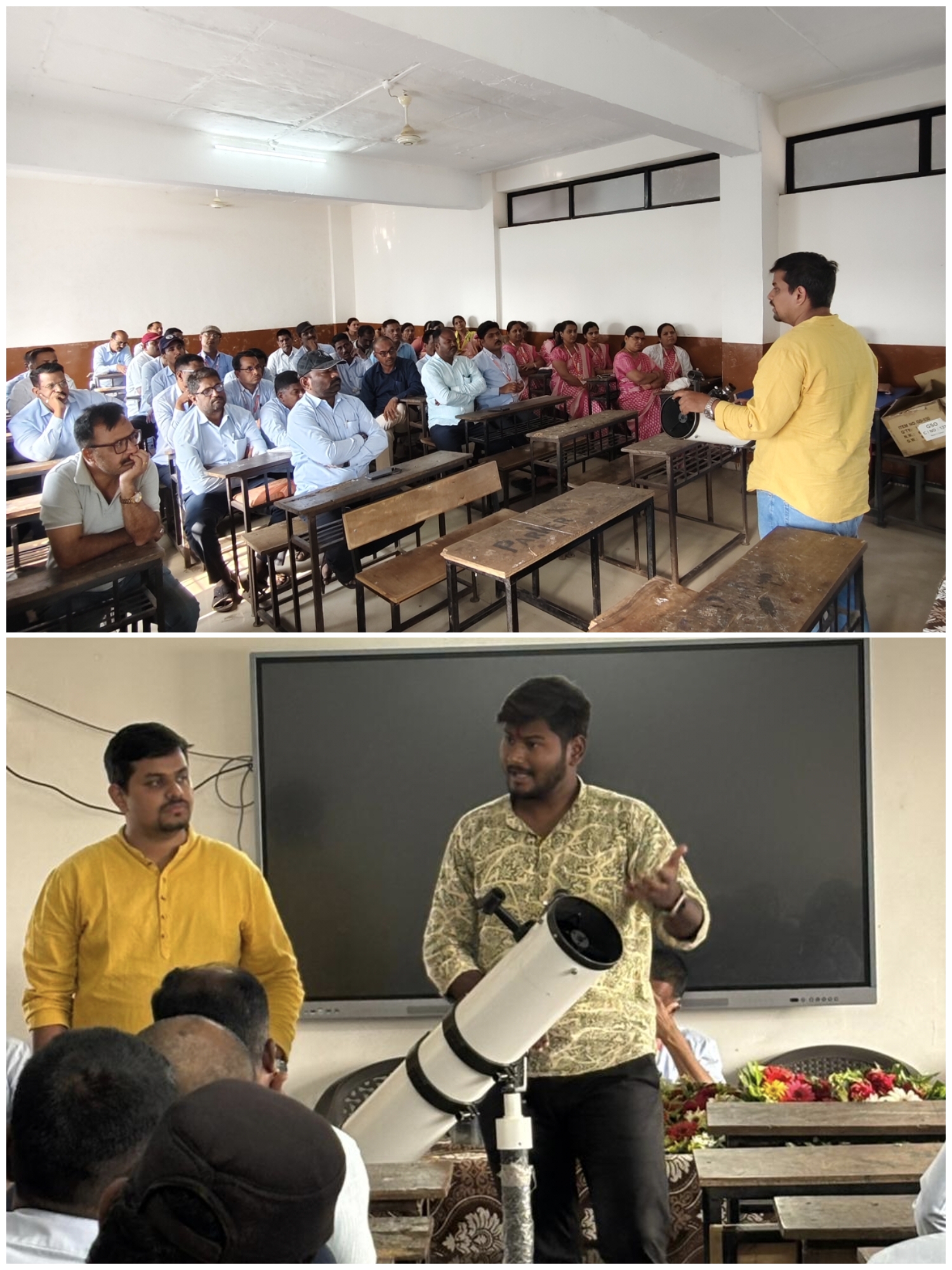
We conducted an intensive Teacher Training Program, teaching them how to handle, polar align, and maintain the optics.
“By empowering 100 educators to handle and maintain their own equipment, we are building a sustainable culture of observational science that will benefit students in Dharashiv for years to come,” explained Co-founder Abhishek Panchal.
The 1,000 Kilometer Journey Home
As the sun finally dipped below the horizon, our team packed away the optical tubes. We were exhausted, covered in dust, and facing a massive drive back home.
But as we secured the equipment, we knew we had achieved something rare. We hadn’t just taught Astronomy; we had delivered it directly into the hands of those who needed it most.
“Our goal is to bring authentic astronomy to rural students who rarely get to use these instruments,” reflected Co-founder Aman Singh as we hit the road. “While traveling nearly 1,000+ kilometers to reach here was tiring, seeing the impact and the output created made it feel completely worth it.”
We extend our deepest gratitude to Aditya Patil Sir, Manjula Patil Madam, Principal Sri Nanware N. R. Sir, and Principal Mr. Chandramani Chaturvedi for their visionary leadership and flawless management.
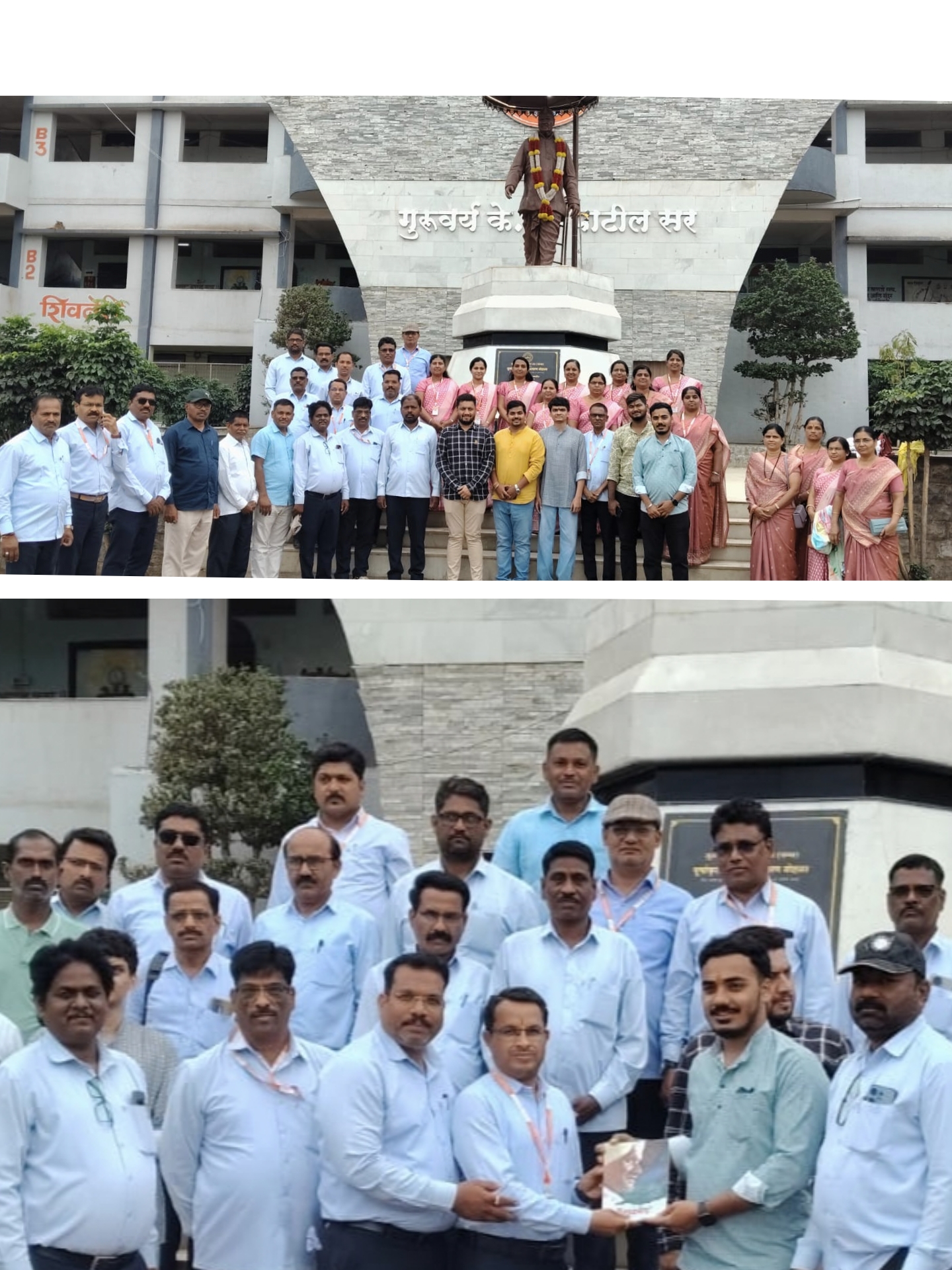
We traveled to Dharashiv to show the students the stars. But ultimately, the brightest energy we witnessed that day came from the students themselves.
Bring the Universe to Your Campus
Every student deserves that “Aha!” moment at the eyepiece. If you are an educational trust or school principal looking to upgrade your STEM infrastructure, you don’t have to wait for a touring workshop.
Read our comprehensive guide on the School Space Lab Setup Cost to learn how Astrophiles can help you design, install, and integrate a permanent Campus Observatory directly into your school’s curriculum.