5 Epic Astronomical Events in April 2026 to Watch
April 2026 is an incredible month for stargazing, featuring the Lyrids meteor shower, a four-planet alignment, and two bright comets. Read our complete guide to the month’s top celestial events.
Exploring the cosmos, one post at a time
April 2026 is an incredible month for stargazing, featuring the Lyrids meteor shower, a four-planet alignment, and two bright comets. Read our complete guide to the month’s top celestial events.
When we introduce beginners to the wonders of the cosmos at our Astrophiles observation events, their first instinct is always to ask for a massive telescope. It makes sense—we associate astronomy with giant observatory domes. However, our team’s advice is always the same: start smaller. Finding the best budget binoculars for stargazing is the smartest, … Read more
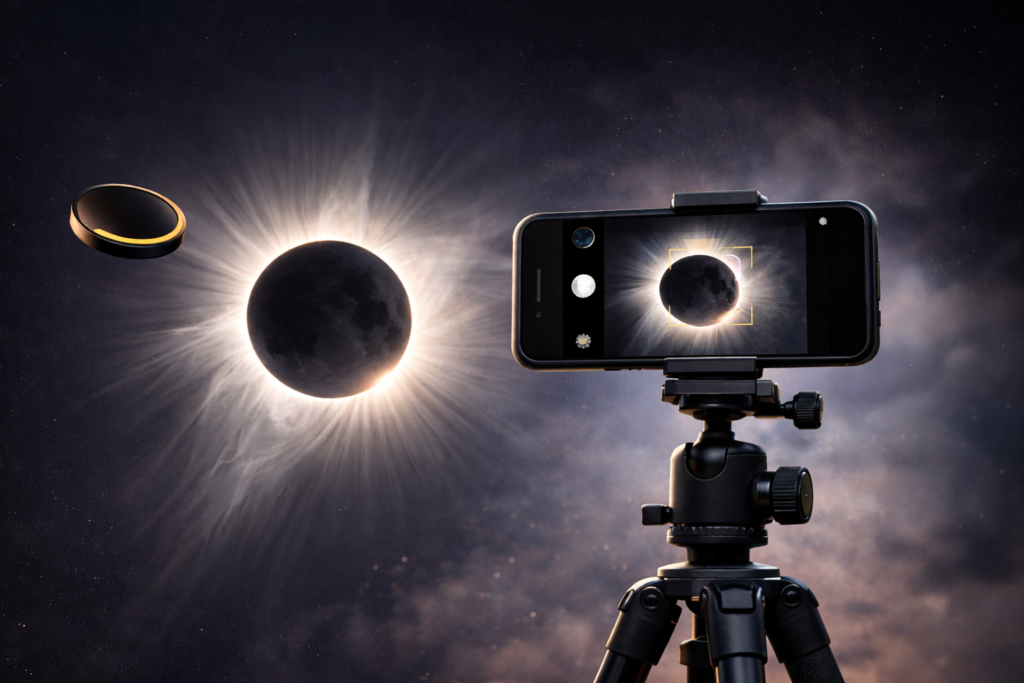
By the Astrophiles Team Capturing Smartphone Solar Eclipse Photography 2026 is the best way to preserve memories of the August 12 event without lugging around heavy professional equipment. While photographing the sun may seem daunting, with the right solar filter for phone and a few technical tweaks, your mobile device can produce stunning images of … Read more
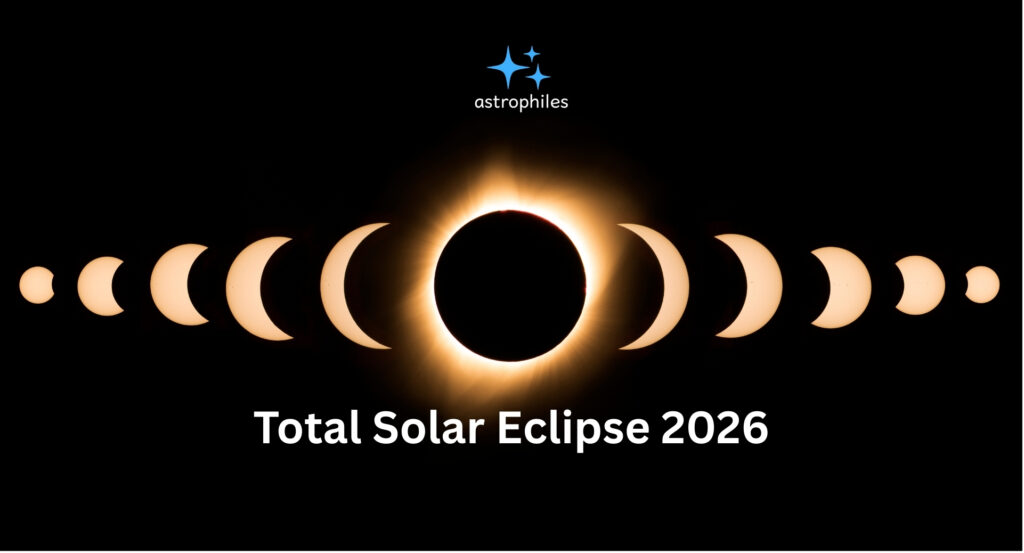
The Total Solar Eclipse August 12 2026 is set to be the most significant celestial event of the decade for Europe. Marking the first time in 27 years that mainland Europe will witness totality, this Total Solar Eclipse August 12 2026 offers a rare “sunset corona” that stargazers won’t want to miss. By the Astrophiles … Read more
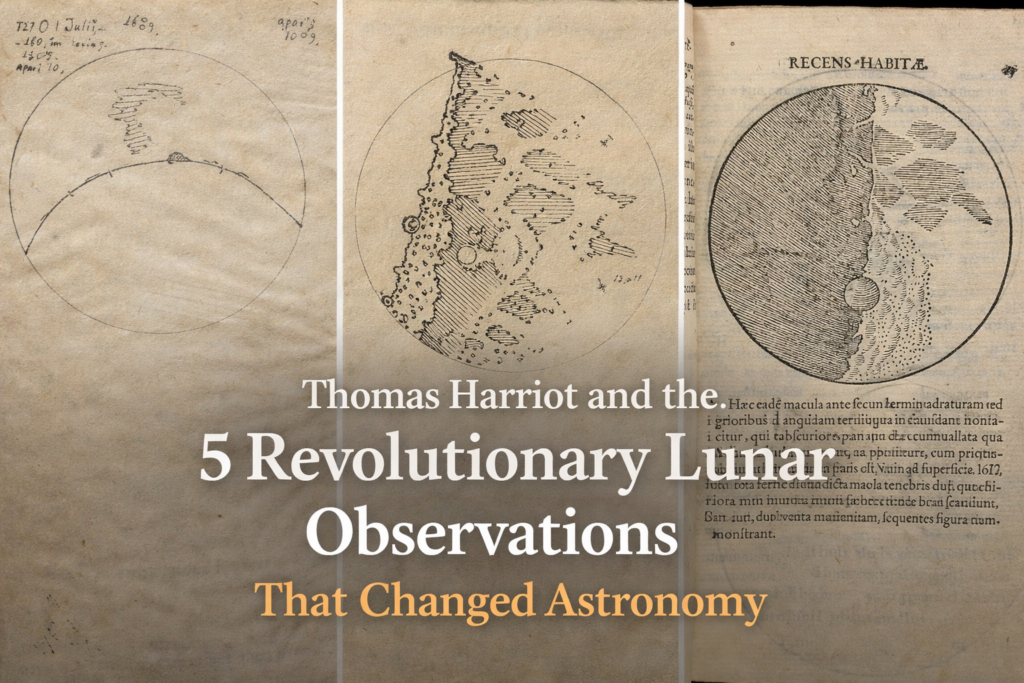
On 26 July 1609, Thomas Harriot, an English mathematician and natural philosopher, achieved a foundational milestone in the history of astronomy by conducting the earliest known telescopic observations of the Moon. Using a modest 6× “Dutch trunk” refracting telescope, Harriot carefully sketched the lunar surface, inaugurating a new era of empirical astronomical research and reshaping … Read more
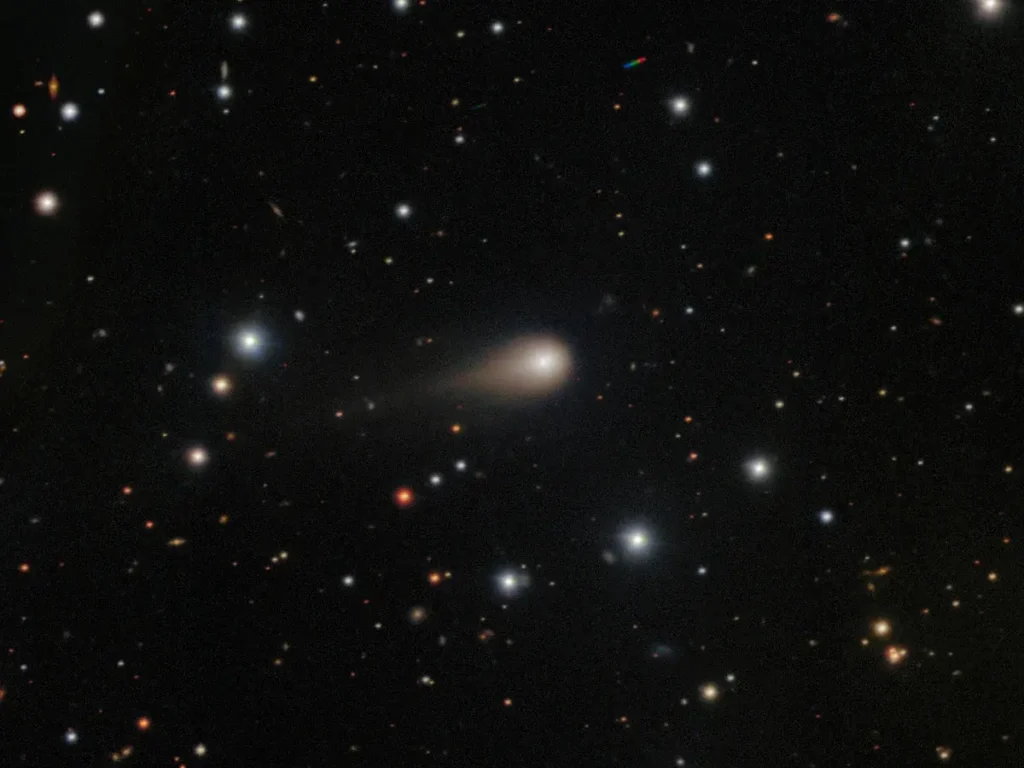
3I/ATLAS is a newly discovered interstellar comet that has captured global attention after NASA-confirmed observations showed it passing safely through our Solar System. Detected by the Asteroid Terrestrial-impact Last Alert System (ATLAS), this object is only the third confirmed interstellar visitor ever identified—making it a rare and scientifically valuable event. This article explains what 3I/ATLAS … Read more
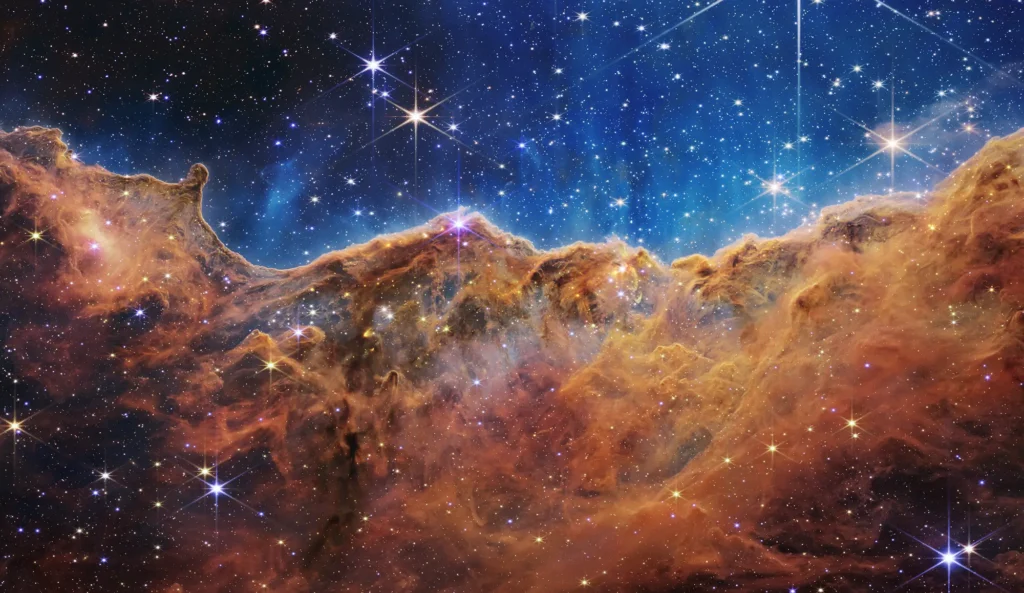
The universe has just revealed two of its deepest secrets—and once again, the James Webb Space Telescope (JWST) is responsible. Astronomers have confirmed the oldest and most distant supernova ever observed, alongside compelling evidence for a long-hypothesized population of “monster stars” that may explain how supermassive black holes formed so early in cosmic history. Together, these … Read more